

Palaeontology
Our aim is to increase knowledge of ancient animals and plants by collecting and studying their fossilised remains.

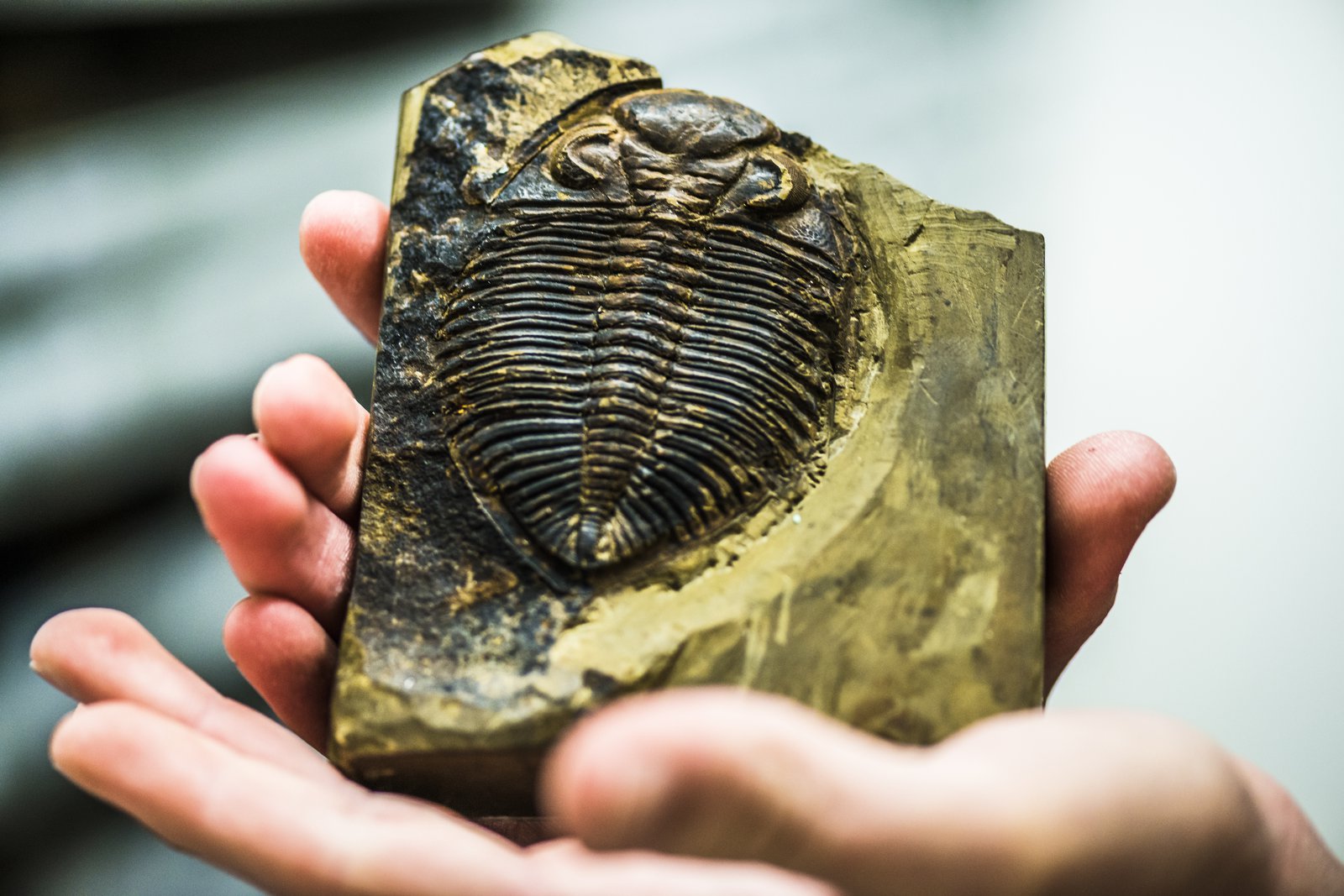
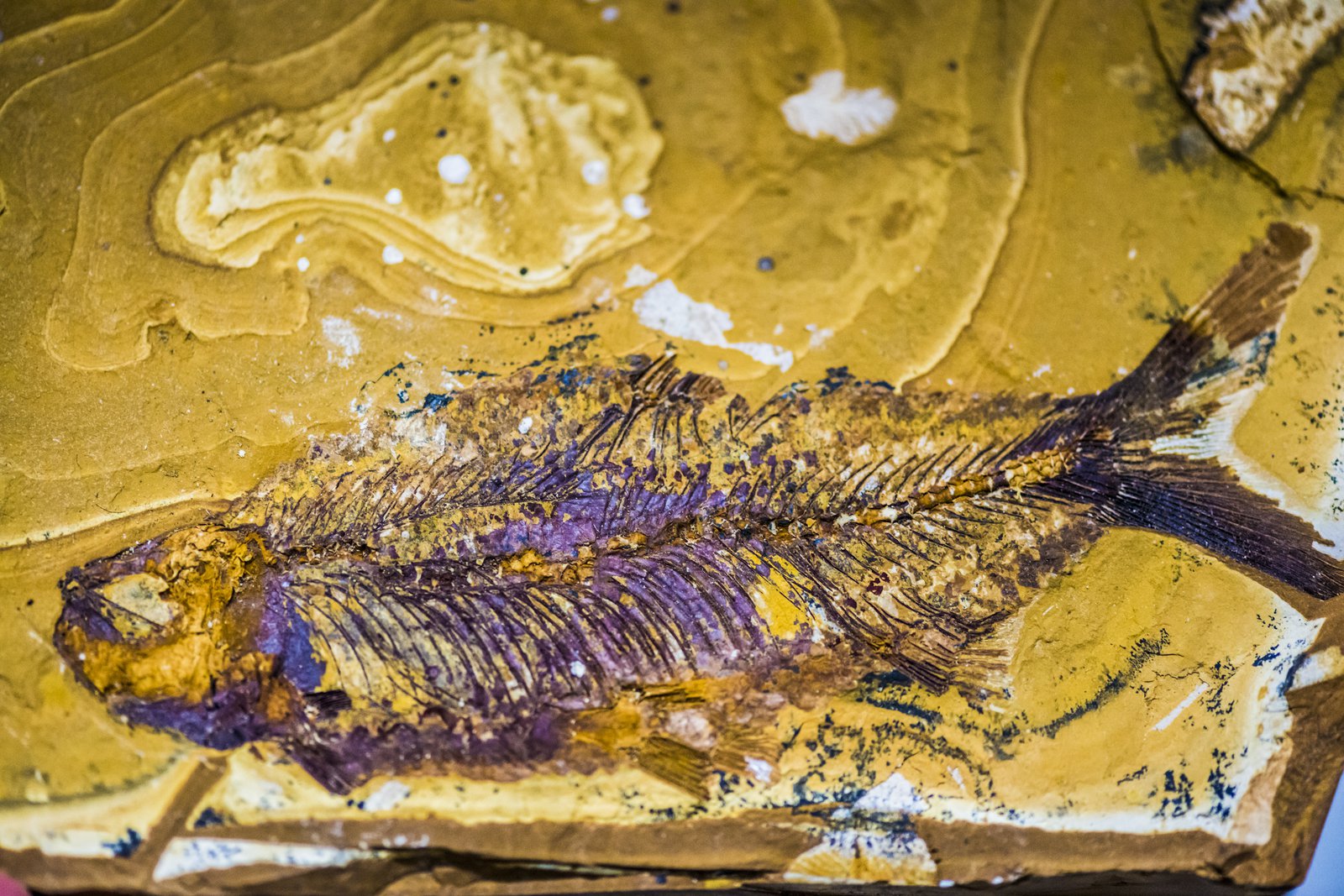


Palaeontology is the study of fossils. Fossils are the remains or traces of prehistoric living things. Fossils are preserved in substances such as sediments, coal, tar, oil, amber or volcanic ash, or frozen in ice or naturally mummified.
Only a very small number of all the animals or plants that ever lived on the Earth are preserved as fossils. An even smaller number are found. Most have been destroyed by erosion or lie too deeply buried to be discovered.
However, fossils are found in quite large numbers, which indicates that an enormous number of plants and animals have lived on the Earth since life evolved more than 3500 million years ago.
What is Palaeontology?
Australian Museum Research Institute (AMRI) Curator of Palaeontology, Dr Matthew McCurry, takes us behind the scenes of the Australian Museum to answer the question "What is palaeontology?"
The Australian Museum Palaeontology Collection
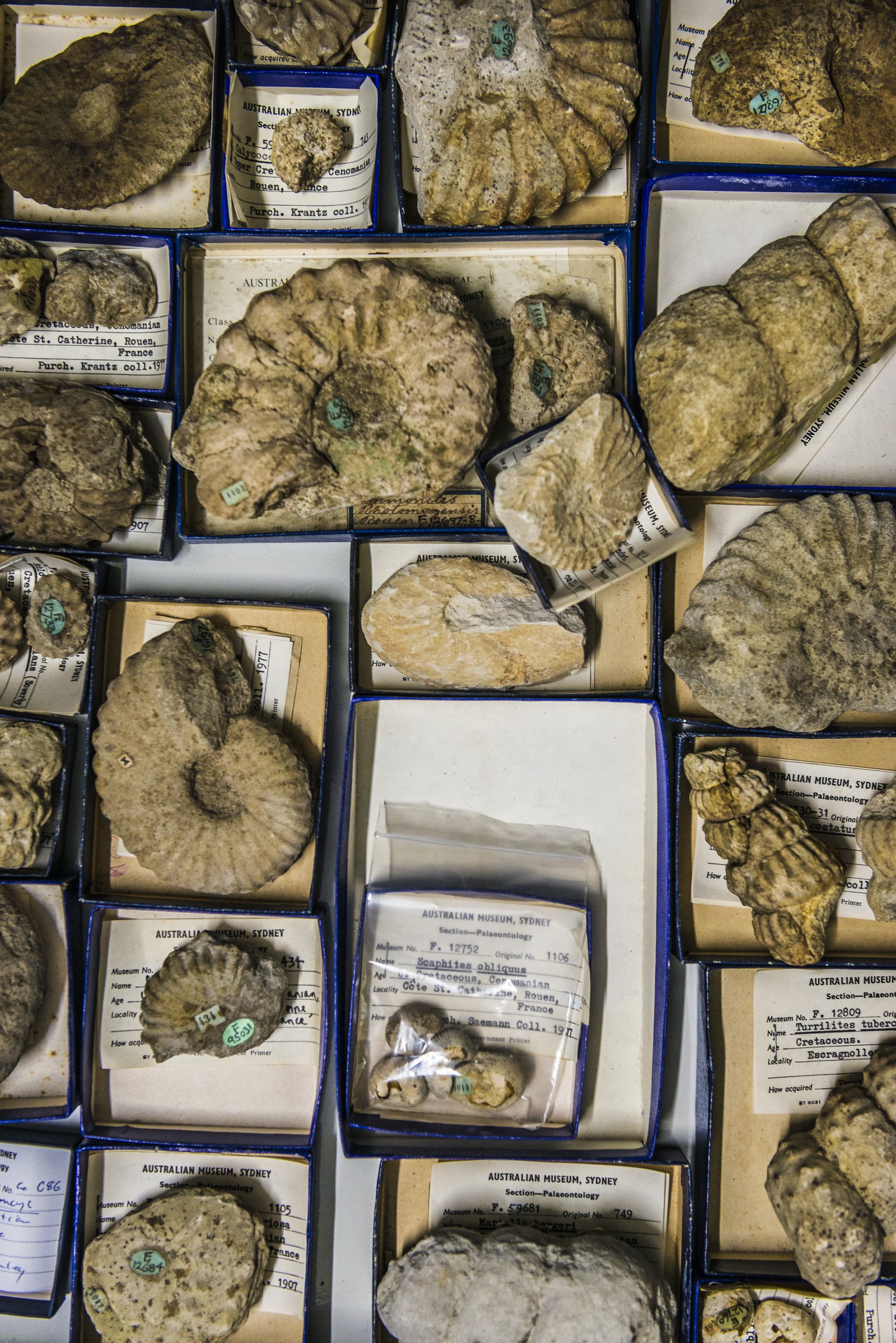
The Australian Museum Palaeontology Collection consists of specimens of fossil invertebrates, vertebrates and plants, most of which are Australian. There is also a wide selection of material from outside Australia. Particular strengths of the collection include Australian fossil mammals and fossil fish.
The collection is the largest of its kind in Australia and is estimated at 164,315 specimens, including over 26,000 types and figured material, it is stored between the Australian Museum’s Sydney CBD site, the Castle Hill Discovery Centre, and the Bathurst Fossil and Mineral Museum and Age of Fishes Museum at Canowindra in central west NSW. Only about 34% of the collection is digitised.
The collection broadly covers the history of life including invertebrates, vertebrates and fossil plants, and contains some of the museum's greatest treasures. One of the most spectacular is 'Eric' the opalised pliosaur from Coober Pedy. The collection also contains some of Australia's oldest mammal fossils, collected from the opal fields of Lightning Ridge in northern New South Wales.
Palaeontology collecting at the Australian Museum began in the 1800's and continues today. Occasionally, a spectacular display specimen or significant collection is acquired by the Museum through donation or purchase, but generally Australian Museum palaeontologists gather specimens for their research out in the field.
The goal of Australian Museum palaeontologists is to increase knowledge of ancient animals and plants by collecting and studying their fossilised remains. New discoveries often cause existing specimens to be reassessed, which enhances our understanding of the evolution of life on Earth.
News stories


Our team


Dinsoaurs and their relatives
Dinosaurs include extinct animals we know from fossils and the birds we see today.
Learn more